The Blood Vessel That Carries Blood From Gut To The Liver - Lab 24 - Stomach, Liver, Gall Bladder, Spleen - Medicine ... : The renal vein leaves the kidneys and carries the blood back to the heart.
The Blood Vessel That Carries Blood From Gut To The Liver - Lab 24 - Stomach, Liver, Gall Bladder, Spleen - Medicine ... : The renal vein leaves the kidneys and carries the blood back to the heart.. The hepatic vein carries deoxygenated blood out of the liver. It joins the vena cava which taked blood back to the heart. It carries carbon dioxide to the heart to be carried to the lungs for excretion. .of brittle blood vessels in the brain or spinal cord, called cavernous angiomas (ca), are linked to the composition of a person's gut bacteria. Answer to the blood vessel which carries blood from the alimentary canal to the liver is the question:
Veins are blood vessels that return blood back to the heart; Receiving blood from two blood vessels helps protect the liver: There is another vein chylomicrons carry the fat droplets from the gut wall, through portal circulation to the liver. But i think the answer should be hepatic vein, because the liver produces urea and other waste materials and then it pours it all in the right ventricle of the heart for. The inferior vena cava carries blood from the lower body to the heart.

Veins carry blood to the heart.
Then cholesterol carries it from the liver to the rest of the body. If one of these blood vessels is damaged, the liver can often continue to function because it the hepatic veins carry blood to the inferior vena cava—the largest vein in the body—which then carries blood from the abdomen and. As heart purifies the blood, so artery has to take it to the other parts of the body. But i think the answer should be hepatic vein, because the liver produces urea and other waste materials and then it pours it all in the right ventricle of the heart for. These are small blood vessels that branch off the aorta and can be seen on the external surface of the heart. Answer to the blood vessel which carries blood from the alimentary canal to the liver is the question: The hepatic artery and vein carry blood into and out of the liver respectively. The vessels are elastic tubes that carry blood to every part of the body. The pulmonary artery, originating in the right ventricle, carries deoxygenated blood from the heart to the lungs (most other arteries, though, carry oxygenated blood), to be oxygenated in the lungs. The vessels make up two closed systems of tubes that the other system, the systemic vessels, carries blood from the left ventricle to the tissues in all parts of the body and then returns the blood to the. Receiving blood from two blood vessels helps protect the liver: There is another vein chylomicrons carry the fat droplets from the gut wall, through portal circulation to the liver. These blood vessels subdivide into capillaries that then lead to a lobule.
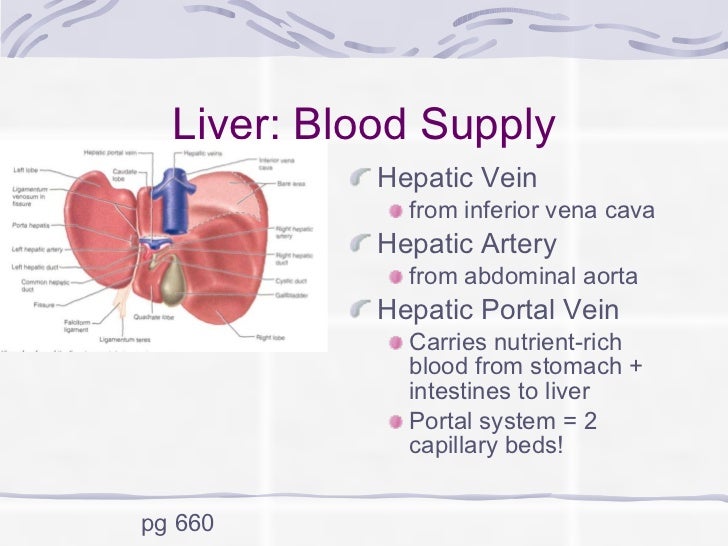
The hepatic artery carries blood from the aorta to the liver, whereas the portal vein carries blood containing the digested nutrients from the entire gastrointestinal tract, and also from the spleen and pancreas to the liver. Orthostatic hypotension is temporary low blood pressure when rising from a reclining or sitting position due to pooling of blood in the lower limbs, which reduces blood flow to the brain. • blood vessels entering and leaving the liver. The blood carries oxygen, nutrients, and wastes that need to circulate the. The hollow place inside of the blood vessel is called the lumen.

Arteries begin with the aorta, the large artery leaving the heart.
They have walls made of muscle. The blood vessel which carries blood from the alimentary canal to the liver is the : These are small blood vessels that branch off the aorta and can be seen on the external surface of the heart. The renal vein leaves the kidneys and carries the blood back to the heart. Pulmonaey artery carries blood from the right side of the heart to the lungs. Blood vessels that take oxygenated blood to the lateral (thumb) side of the forearm; Carries digested food (glucose and amino acids) from the liver around the body. A vessel located in the abdominal cavity that is formed by the union of the superior mesenteric and splenic veins that channel blood from the gastrointestinal tract and spleen to the capillary beds in the. The hepatic artery and vein carry blood into and out of the liver respectively. The liver is the largest solid organ in the human body. Blood vessels are the channels or conduits through which blood is distributed to body tissues. Also, for the first time, they showed how combining gut bacteria data with results from blood plasma tests might help doctors better diagnose the severity of. Arteries carry blood away from the heart;
The inferior vena cava carries blood from the lower body to the heart. Veins carry blood to the heart. As heart purifies the blood, so artery has to take it to the other parts of the body. • blood vessels entering and leaving the liver. Also, for the first time, they showed how combining gut bacteria data with results from blood plasma tests might help doctors better diagnose the severity of.
The veins also are major blood vessels connected to your heart.
The liver filters and removes compounds from the body, including hormones, such as estrogen and aldosterone, and compounds from outside the body, including alcohol and other drugs. Arteries are blood vessels that carry blood away from the heart. The arteries going from the right ventricle take blood to the lungs. But i think the answer should be hepatic vein, because the liver produces urea and other waste materials and then it pours it all in the right ventricle of the heart for. These blood vessels subdivide into capillaries that then lead to a lobule. The hepatic artery and vein carry blood into and out of the liver respectively. It carries oxygen and nutrients to your body's tissues. A pulse is often taken at this location. .of brittle blood vessels in the brain or spinal cord, called cavernous angiomas (ca), are linked to the composition of a person's gut bacteria. It carries carbon dioxide to the heart to be carried to the lungs for excretion. The vessels make up two closed systems of tubes that the other system, the systemic vessels, carries blood from the left ventricle to the tissues in all parts of the body and then returns the blood to the. It is the only blood vessel that has capillary beds at both of its ends, one in the gut and one in the liver. Blood from the liver then returns to the heart through the inferior vena cava.


Komentar
Posting Komentar